November 2, 2026
Metal surfaces can lose their original appearance after years of exposure to moisture, frequent handling, and everyday wear. Scratches, fading, and peeling paint can make otherwise functional fixtures look outdated or poorly maintained. Fortunately, electrostatic painting offers an effective way to restore worn metal surfaces without replacing entire structures or equipment. This specialized finishing method helps property owners improve appearance, extend service life, and maintain a professional environment.
Understand How the Painting Process Works
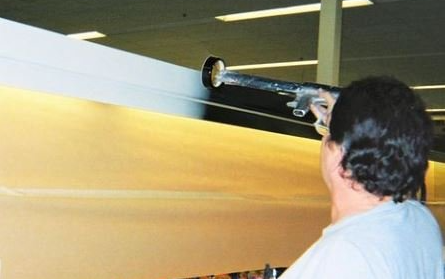
Electrostatic painting uses an electrical charge to attract paint particles to a grounded metal surface. Unlike conventional spray painting, which relies primarily on air pressure to distribute paint, this methAod uses electrostatic attraction to improve coating transfer and coverage.
During application, specialized equipment gives atomized paint particles an electrical charge. These particles are attracted to the metal object, helping the coating adhere evenly across accessible surfaces. The process reduces overspray and allows technicians to achieve a smooth, consistent finish.
According to Data Intelo, the global electrostatic paint guns market is projected to reach USD 2.6 billion by 2032. This forecast reflects the anticipated market demand for equipment used in electrostatic coating applications.
The technique is particularly useful for refinishing existing metal fixtures because many items can be painted without extensive disassembly. Depending on the project's requirements, work may be completed on-site or in a professional painting facility.
Identify Signs of Worn Metal Surfaces
Metal fixtures experience different types of deterioration depending on their environment, protective coatings, and frequency of use. Recognizing early signs of wear can help property owners address problems before the damage becomes more extensive.
Common signs that metal surfaces need refinishing include:
- Fading or discoloration: Sunlight, cleaning products, and environmental exposure can gradually change a painted surface's appearance.
- Scratches and scuff marks: Frequent contact with furniture, equipment, or other objects can damage protective finishes.
- Peeling or flaking paint: Aging coatings and poor adhesion can cause sections of paint to separate from the underlying metal.
- Surface corrosion: Moisture exposure can contribute to rust formation on susceptible metals, particularly where protective coatings have deteriorated.
- Uneven finishes: Previous repairs or inconsistent paint applications can leave noticeable differences in texture and color.
Not every damaged surface requires replacement. When the underlying metal remains structurally sound, professional refinishing may restore its appearance and provide renewed surface protection.
However, severely corroded or structurally compromised components may require additional evaluation before painting.
Prepare Metal Surfaces for Refinishing
Successful refinishing begins long before the first coat of paint is applied. Proper surface preparation helps new coatings bond effectively and reduces the likelihood of premature peeling or other finish defects.
Technicians typically examine the metal to determine its condition, identify existing coatings, and select appropriate preparation methods. Different materials, including aluminum, stainless steel, and carbon steel, may require different procedures.
Preparation commonly involves removing dirt, grease, loose paint, and corrosion. Existing coatings must also be evaluated for compatibility with the replacement finish.
Where necessary, technicians may sand or otherwise prepare the surface to create a suitable foundation for the new coating. Areas that should remain unpainted, including surrounding walls, floors, and adjacent equipment, are protected during the application process.
Thorough preparation is especially important when restoring heavily used fixtures. A smooth-looking coating cannot compensate for contamination, unstable paint, or corrosion left beneath the surface.
By addressing these concerns first, professionals help establish the conditions needed for a durable, attractive result.
Restore Common Metal Fixtures and Equipment
One advantage of electrostatic painting is its suitability for a wide range of conductive metal items. Commercial, institutional, and industrial properties often contain fixtures that remain functional despite showing visible cosmetic deterioration.
Instead of replacing these items solely because their finishes have deteriorated, property owners can consider professional refinishing.
Common applications include:
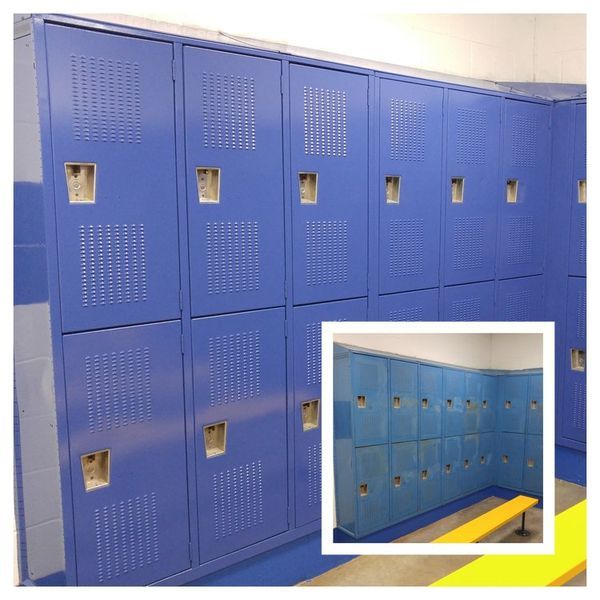
- Metal lockers: School and workplace lockers can develop scratches, chipped paint, and worn finishes from repeated use.
- Elevator doors and frames: Frequently touched surfaces may show visible wear that affects the appearance of building interiors.
- Window frames: Interior and exterior metal frames can fade or deteriorate after prolonged environmental exposure.
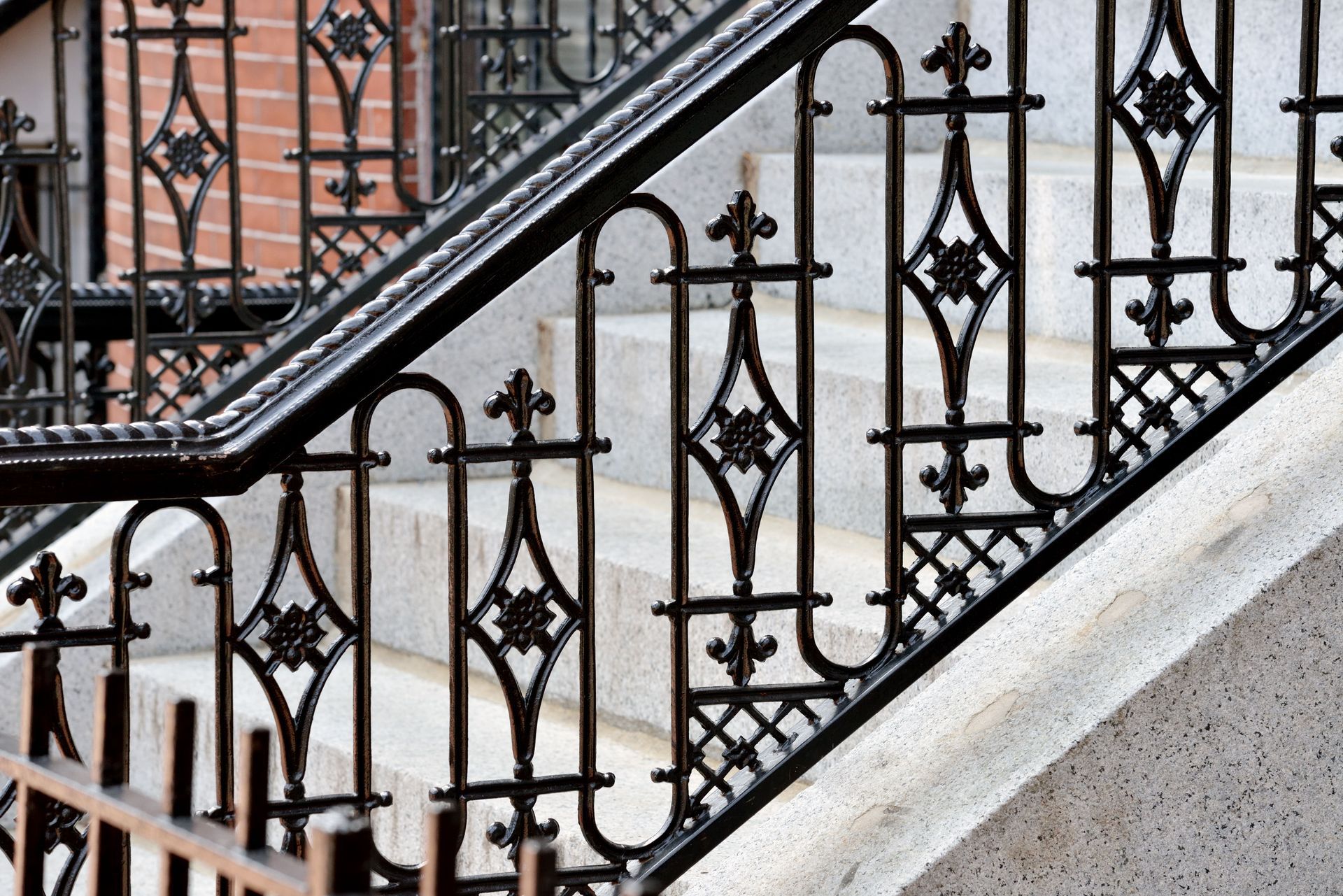
- Metal railings and fencing: Protective coatings may wear away due to moisture, sunlight, and routine contact.
- Refrigerated display cases: Grocery equipment may require refinishing to maintain a consistent appearance within retail spaces.
- Laboratory furniture: Metal furnishings can benefit from renewed coatings when their existing finishes become worn.
These applications demonstrate how refinishing can improve the appearance of existing assets while reducing the need for unnecessary replacement.
Improve Appearance With Consistent Coating Coverage
Restoring a metal surface involves more than covering scratches with fresh paint. The finished product should complement its surroundings and provide a consistent appearance across the treated area.
Electrostatic painting helps accomplish this through controlled coating application. Because charged paint particles are attracted to grounded metal, technicians can reduce wasted material while creating uniform coverage on appropriately prepared surfaces.
This controlled application is useful for projects involving multiple fixtures. Matching the appearance of lockers, railings, or frames can help create a cohesive look throughout a property.
Color selection also influences the final result. Professional color-matching services allow property owners to coordinate restored fixtures with existing architectural features, branding, or interior design schemes.
The appropriate finish depends on the material, location, and anticipated use of the item. High-performance coatings may provide resistance to abrasion, environmental exposure, and routine cleaning when properly selected and applied.
Reduce Waste Through Professional Metal Refinishing
Replacing worn metal fixtures can involve material purchases, removal work, installation, and disposal. When existing items remain functional, refinishing may offer a more resource-conscious alternative.
Restoring usable components allows property owners to retain materials that might otherwise be discarded. This approach can be particularly beneficial for facilities with numerous matching fixtures or equipment pieces.
The electrostatic application process also reduces paint waste compared with less efficient spraying methods. Because more coating reaches the intended surface, less material may be lost through overspray.
However, actual savings depend on the equipment, coating, surface geometry, and application conditions.
Another potential benefit is reduced disruption. Some projects can be completed at the property, eliminating the need to transport large fixtures to a separate facility.
Careful scheduling and proper ventilation remain essential, particularly when work takes place in occupied buildings. Paint selection, curing requirements, and access restrictions should be discussed before the project begins.
Maintain Restored Metal Surfaces Over Time
After electrostatic painting is complete, routine maintenance helps preserve the restored finish. Although professional coatings are designed for durability, their performance depends on environmental conditions, daily use, and appropriate care.
Property owners should follow the coating manufacturer's recommendations for cleaning and maintenance. Gentle cleaning products and nonabrasive materials are generally preferable to harsh chemicals or aggressive scrubbing.
Regular inspections can also help identify scratches, chips, or coating damage before moisture reaches vulnerable metal surfaces.
Outdoor fixtures deserve particular attention because they face changing temperatures, precipitation, and ultraviolet exposure. Promptly addressing minor damage may help prevent more extensive deterioration.
Maintaining a protective finish supports both appearance and long-term functionality.
Protect the Value of Existing Metal Assets
Worn metal surfaces do not always require costly replacement. When the underlying material remains in good condition, professional refinishing can restore visual appeal, improve surface protection, and support continued use.
Understanding the application process, preparing surfaces correctly, and choosing suitable coatings are essential to achieving satisfactory results. With proper maintenance, refinished metal fixtures can remain attractive and functional for years.
Contact Electro Painting & Refurbishing, Inc. today to request a quote and discover how professional metal refinishing can restore your property's worn surfaces.