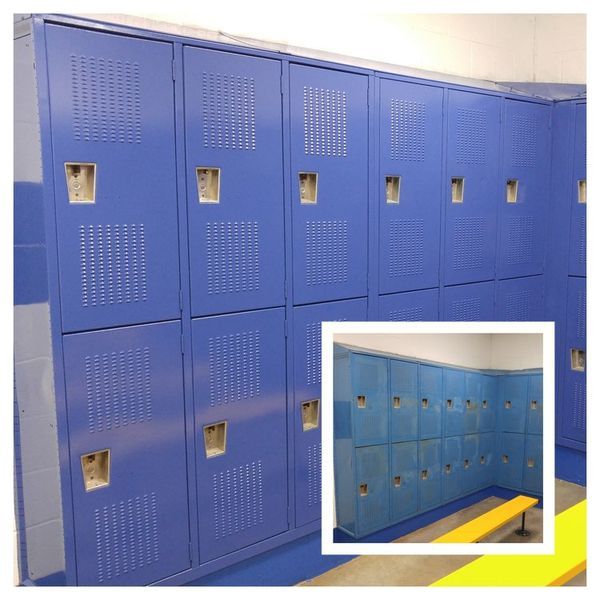
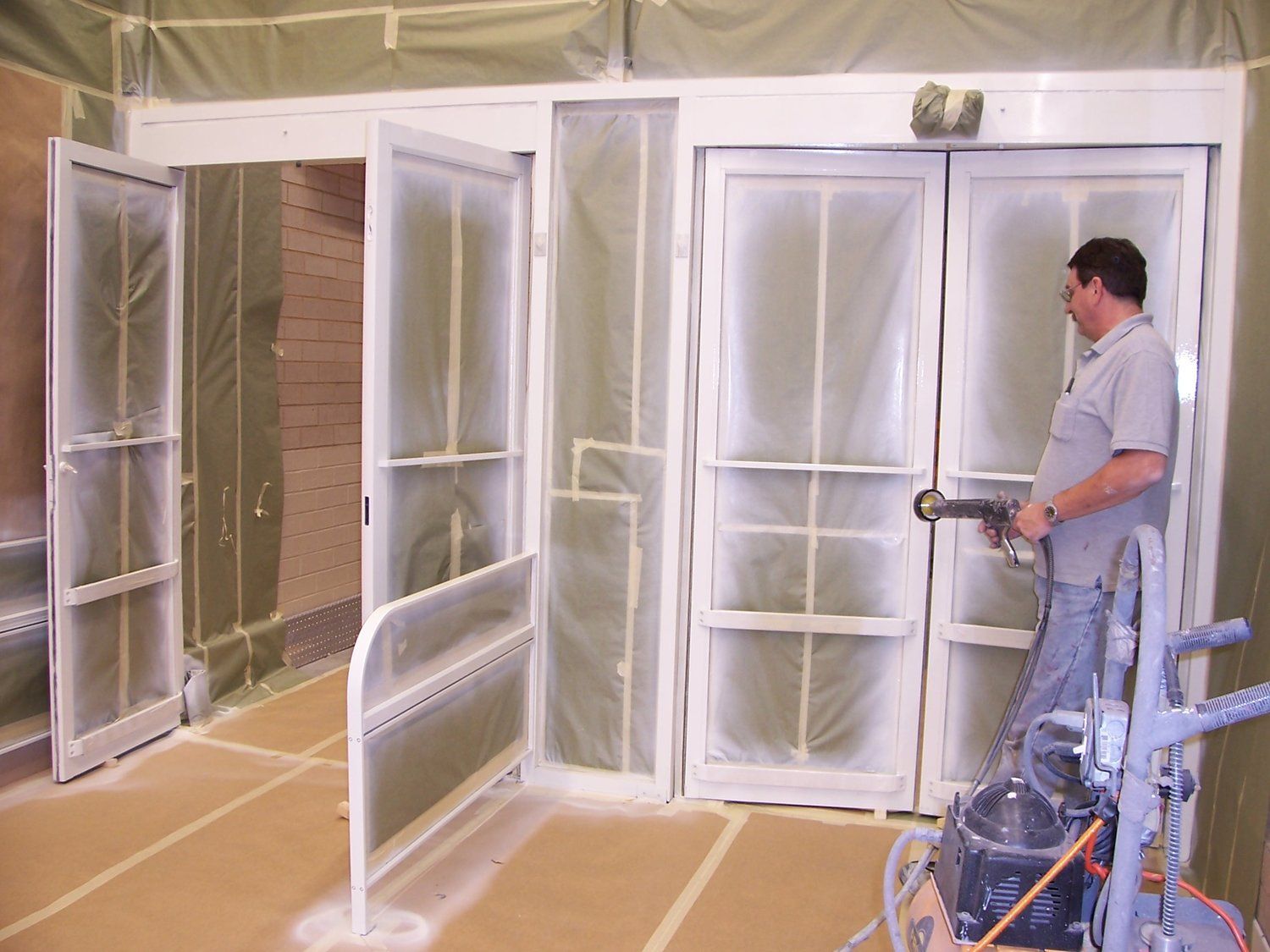
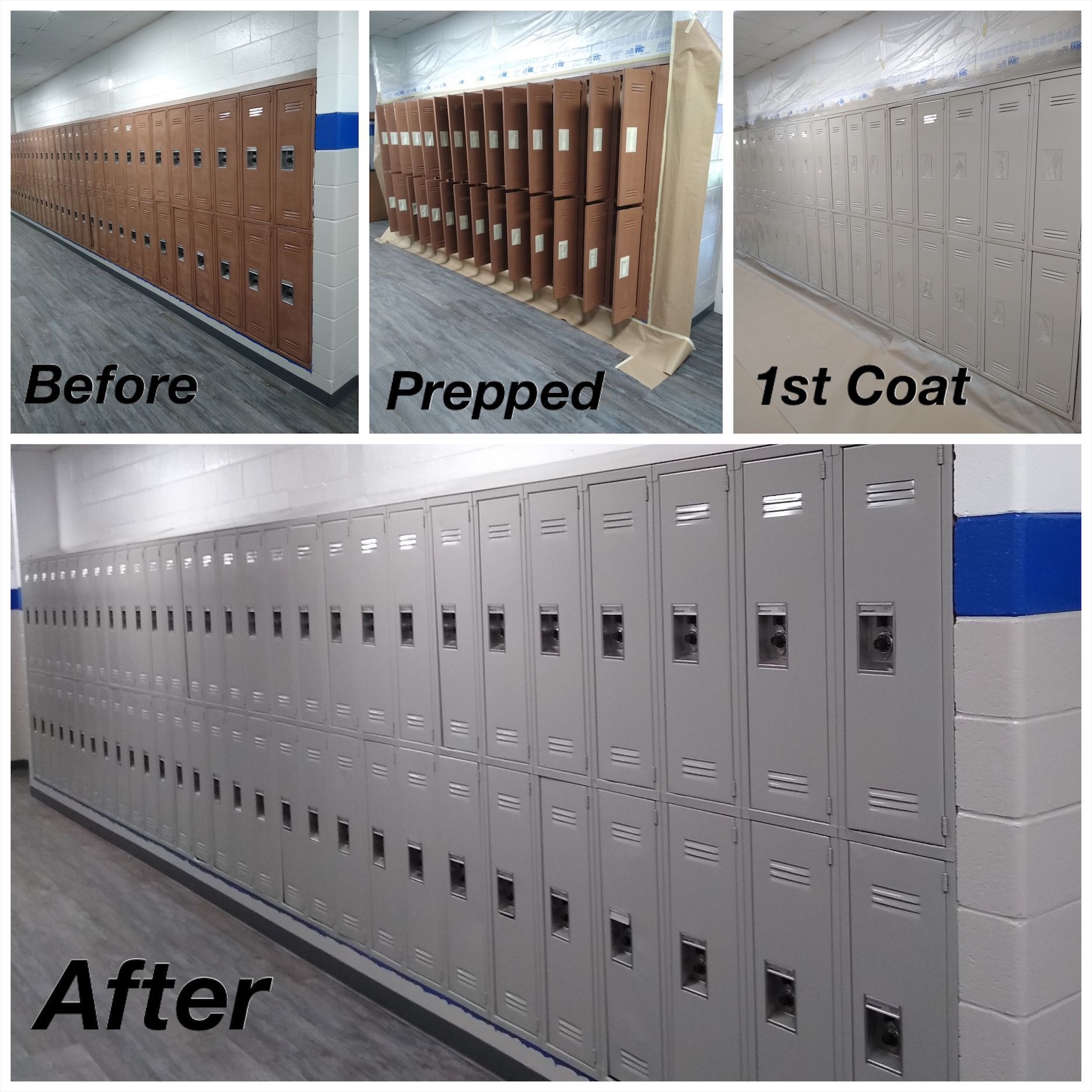
Electrostatic painting has become a widely adopted finishing method across industries seeking cleaner and more efficient coating solutions. By using electrically charged particles to apply paint to grounded surfaces, this technique improves transfer efficiency while reducing over spray and material waste. Compared to conventional spray methods, electrostatic painting creates smoother finishes with fewer coats, which contributes to both operational efficiency and reduced environmental impact. As sustainability continues to shape decision-making in construction, manufacturing, and design, this method stands out as a practical approach that aligns performance with environmental responsibility. Many professionals are also turning to exterior electrostatic painting for projects that require durable coatings on exposed surfaces, where weather resistance and consistency are essential.
Growing awareness around emissions, resource consumption, and workplace safety has influenced how painting systems are evaluated today. Exterior electrostatic painting, in particular, has gained attention for its ability to reduce airborne particles and minimize volatile organic compound output during application. These advantages support broader environmental goals while still meeting the demands of commercial and residential projects. According to Verified Market Reports, the global electrostatic paint guns market was valued at $1.5 billion in 2024 and is projected to reach $2.8 billion by 2033, growing at a CAGR of 7.5%. This growth reflects increased adoption across industries that prioritize efficiency and sustainability. As more organizations transition toward eco-conscious practices, exterior electrostatic painting continues to emerge as a preferred method for achieving high-quality finishes with reduced ecological impact.
Understanding Electrostatic Painting Principles and Applications
Electrostatic painting operates on the principle of opposite electrical charges attracting one another. In this process, paint particles are given a positive charge while the target surface is grounded with a negative charge. This creates a magnetic-like attraction that pulls the paint toward the surface, resulting in uniform coverage. Exterior electrostatic painting benefits significantly from this principle because it allows coatings to wrap around complex shapes and reach areas that might otherwise be difficult to coat evenly. The result is a consistent finish that adheres well and resists premature wear.
Another key advantage of this process is the reduction of over spray. Traditional spray methods often result in a substantial portion of paint being lost into the air or the surrounding environment. Exterior electrostatic painting minimizes this issue by directing more of the paint onto the intended surface. This not only conserves materials but also reduces cleanup requirements and limits exposure to airborne particulates. The improved transfer efficiency means less paint is needed to complete a project, which contributes to lower consumption of raw materials over time.
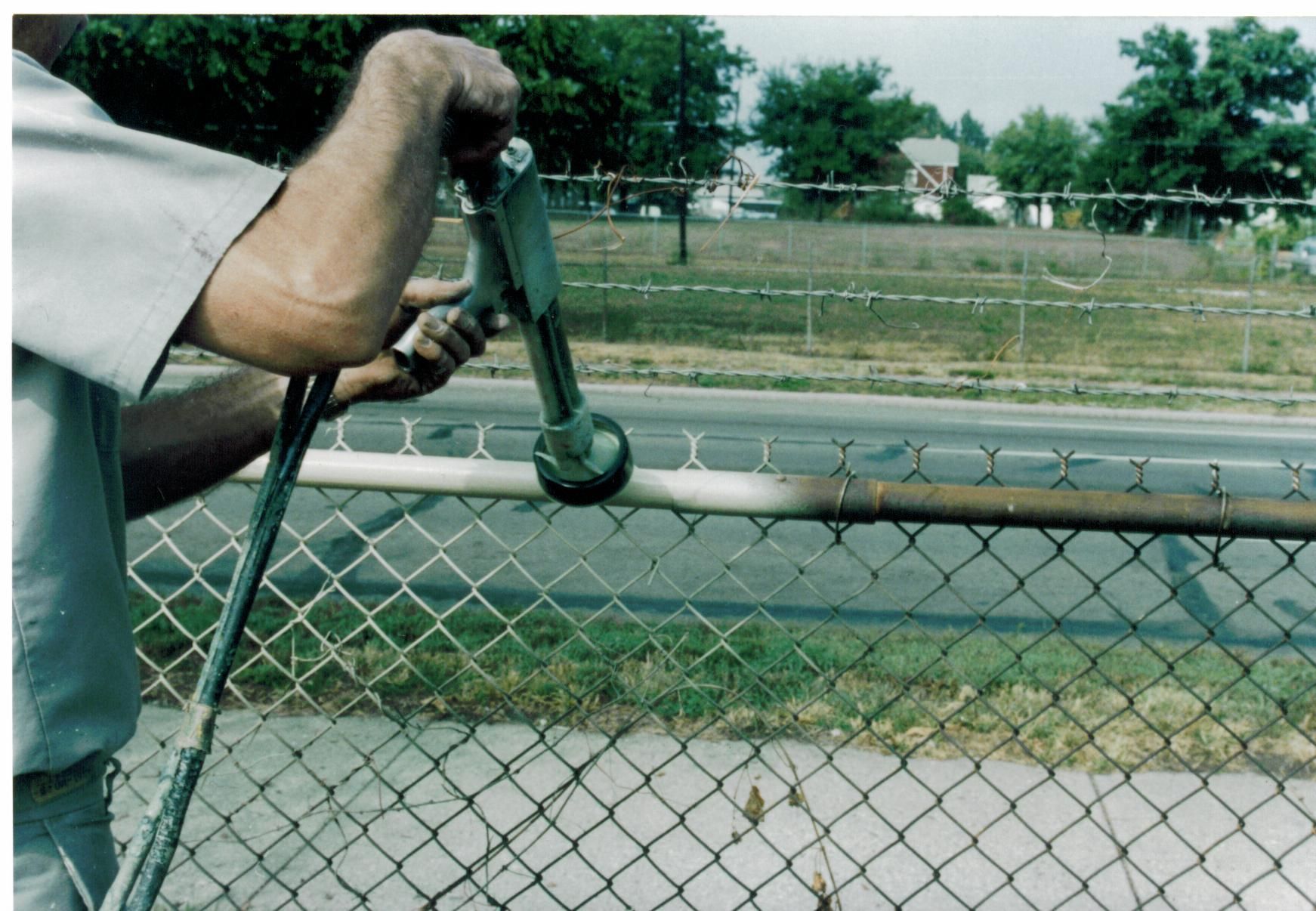
In addition to efficiency, electrostatic painting supports a wide range of applications across different materials and environments. Exterior electrostatic painting is commonly used on metal structures, fencing, equipment, and architectural elements exposed to outdoor conditions.
Exploring Industry Applications
Electrostatic painting is widely used in industries that require durable and efficient coating solutions. In the automotive sector, it is applied to vehicle bodies and components to achieve smooth finishes with minimal waste. Exterior electrostatic painting is particularly valuable in this context because it provides consistent coverage on curved and intricate surfaces. The method also helps manufacturers maintain high production standards while reducing material consumption.
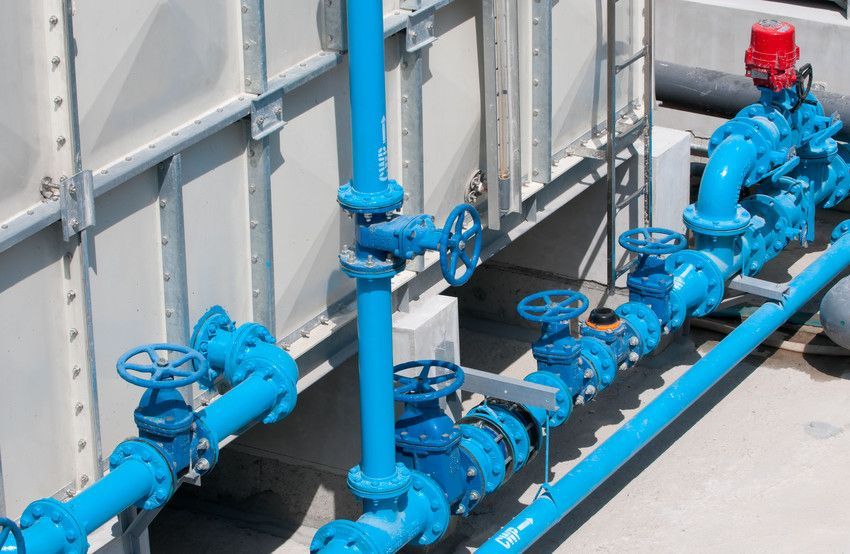
In the manufacturing and industrial equipment sectors, electrostatic painting is used to protect machinery from corrosion and wear. Exterior electrostatic painting plays a key role in coating equipment exposed to outdoor conditions, such as storage tanks, metal frames, and structural supports. The durability of the finish helps extend the lifespan of these assets while reducing the need for frequent maintenance. This contributes to operational efficiency and long-term cost management.
The construction and architectural industries also benefit from electrostatic painting techniques. Exterior electrostatic painting is often applied to metal railings, gates, panels, and other exterior features where weather resistance is essential. Its ability to deliver uniform coatings enhances both appearance and performance.
Examining the Science Behind Electrostatic Painting
The foundation of electrostatic painting lies in electrostatic attraction. When paint particles are charged, they interact with the grounded surface to create a force that pulls the particles toward the target area. Exterior electrostatic painting leverages this principle to achieve high transfer efficiency, meaning more paint adheres to the surface rather than being lost in the air. This scientific approach improves consistency and reduces variability in coating thickness.
Another important aspect of the process is the wraparound effect. Because of the electrical field created during application, paint particles can reach around the edges and into recessed areas. Exterior electrostatic painting benefits from this effect by delivering more uniform coverage across complex geometries. This reduces the need for manual touch-ups and additional coatings, saving both time and materials.
The controlled nature of the process also contributes to precision in application. Operators can adjust voltage levels and spray parameters to suit different materials and project requirements. Exterior electrostatic painting systems are designed to optimize particle deposition, resulting in smoother finishes with fewer imperfections. This level of control supports consistent outcomes across multiple applications, reinforcing the reliability of the method in various settings.
Comparing Electrostatic Painting with Traditional Methods
Traditional painting methods, such as air spray and brush application, often result in higher levels of over spray and material waste. Exterior electrostatic painting addresses these inefficiencies by improving transfer rates and directing more paint to the intended surface. This leads to reduced consumption of materials and less environmental dispersion of paint particles. The difference in efficiency becomes especially noticeable in large-scale projects.
Another distinction lies in coating consistency. Traditional methods may require multiple passes to achieve even coverage, whereas exterior electrostatic painting can often achieve satisfactory results in fewer applications. This reduces labor time and shortens project timelines. The improved adhesion of charged particles also contributes to a more durable finish, which can reduce the frequency of repainting or maintenance.
From an operational perspective, exterior electrostatic painting offers advantages in both productivity and environmental impact. Traditional methods typically generate more waste and require additional cleanup efforts. In contrast, electrostatic systems streamline the application process while minimizing residual materials.
Highlighting the Environmental Benefits of Electrostatic Painting
Exterior electrostatic painting contributes to environmental sustainability by reducing volatile organic compound emissions. Because more paint adheres directly to the surface, less evaporates into the atmosphere during application. This helps improve air quality in both indoor and outdoor environments. Reduced emissions also support compliance with environmental regulations that govern industrial painting operations.
Material efficiency is another key environmental benefit. Exterior electrostatic painting uses less paint overall due to its high transfer efficiency. This reduces the demand for raw materials used in paint production and lowers the volume of waste generated during projects. By conserving resources, this method supports more responsible consumption patterns across industries.
Energy usage is also impacted by the efficiency of electrostatic systems. Exterior electrostatic painting often requires fewer coats and shorter application times, which can reduce the energy associated with drying and curing processes. Combined with lower material usage and emissions, these factors make it a more sustainable option compared to conventional painting techniques.
Exterior electrostatic painting represents a practical and environmentally conscious approach to modern surface finishing. Its ability to reduce waste, limit emissions, and deliver consistent, high-quality results makes it a valuable option across multiple industries.
The combination of durability, efficiency, and reduced environmental impact positions
exterior electrostatic painting as a forward-looking solution for a wide range of applications. From industrial equipment to architectural elements, its versatility supports diverse project needs while maintaining consistent performance. Organizations that adopt this method can benefit from long-term cost savings, improved productivity, and reduced material consumption. Connect with Electro Painting & Refurbishing, Inc. to discuss how this method can be applied to your specific project requirements.